Roof leaks are a common yet serious problem that can quickly escalate if left unaddressed. Even a small amount of water intrusion can lead to mold growth, structural deterioration, and expensive repairs over time. Understanding the most common causes of roof leaks empowers homeowners to spot warning signs early and take preventative action. By staying informed and proactive, you can protect your home from unnecessary damage and extend the lifespan of your roofing system. This article breaks down the leading causes of leaky roofs and explains how to prevent them with professional leaky roof repair.
1. Damaged or Missing Shingles
Shingle damage is a primary concern when considering roof integrity. Homeowners often notice this through curled, cracked, or missing shingles, which are visual indicators. Water stains or damp spots on the ceiling further suggest shingle issues. Minor damages can go unnoticed until further deterioration leads to significant leaks. Regular inspections, particularly after adverse weather, can help identify these symptoms early.
Several factors contribute to shingle damage. Weather events like hailstorms, strong winds, or heavy rain can compromise their condition. Additionally, thermal cycling, where temperatures shift dramatically, affects their flexibility and strength. Poor installation practices can also lead to weakened shingles. Over time, UV radiation from the sun will cause shingles to become brittle and prone to cracking.
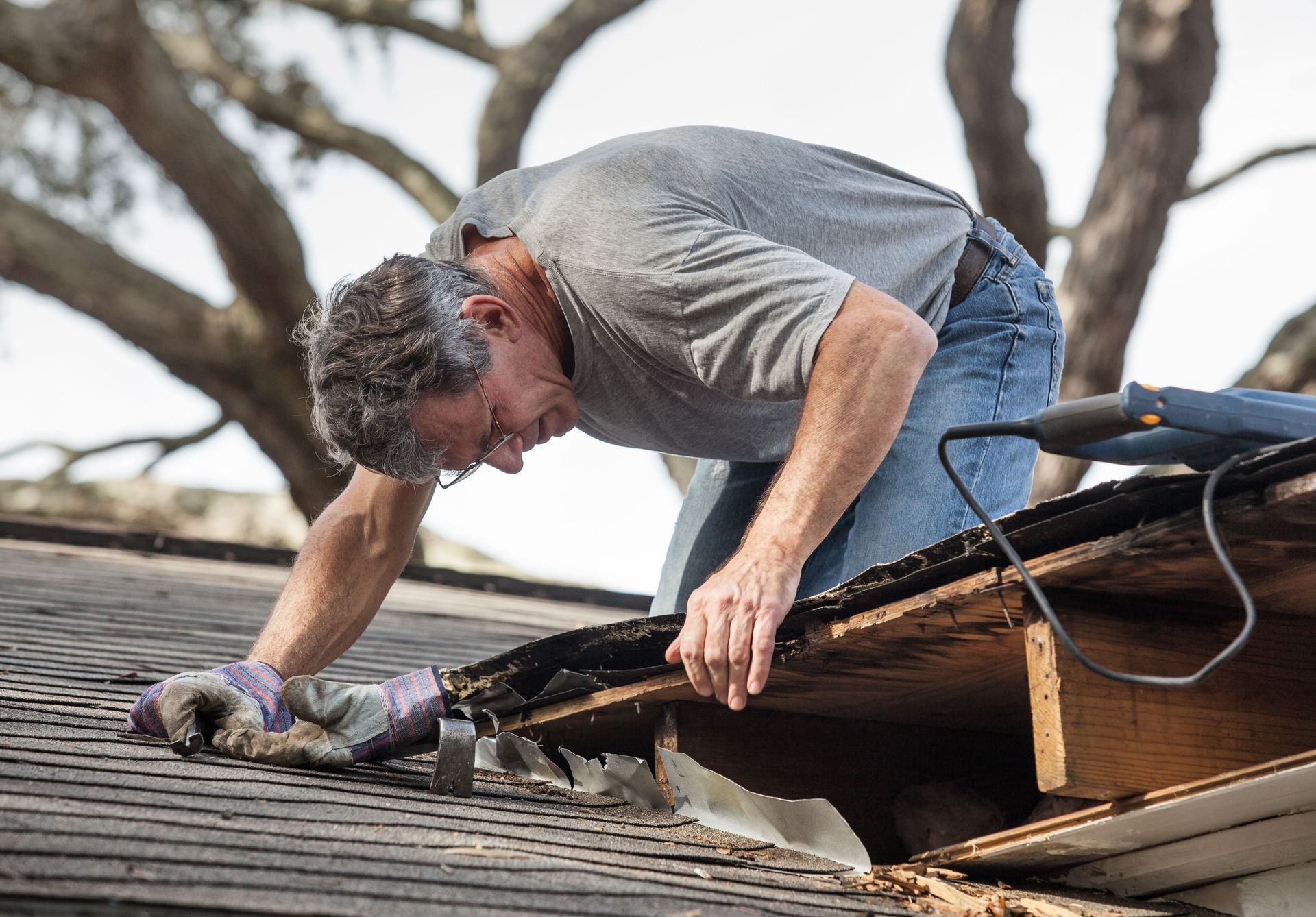
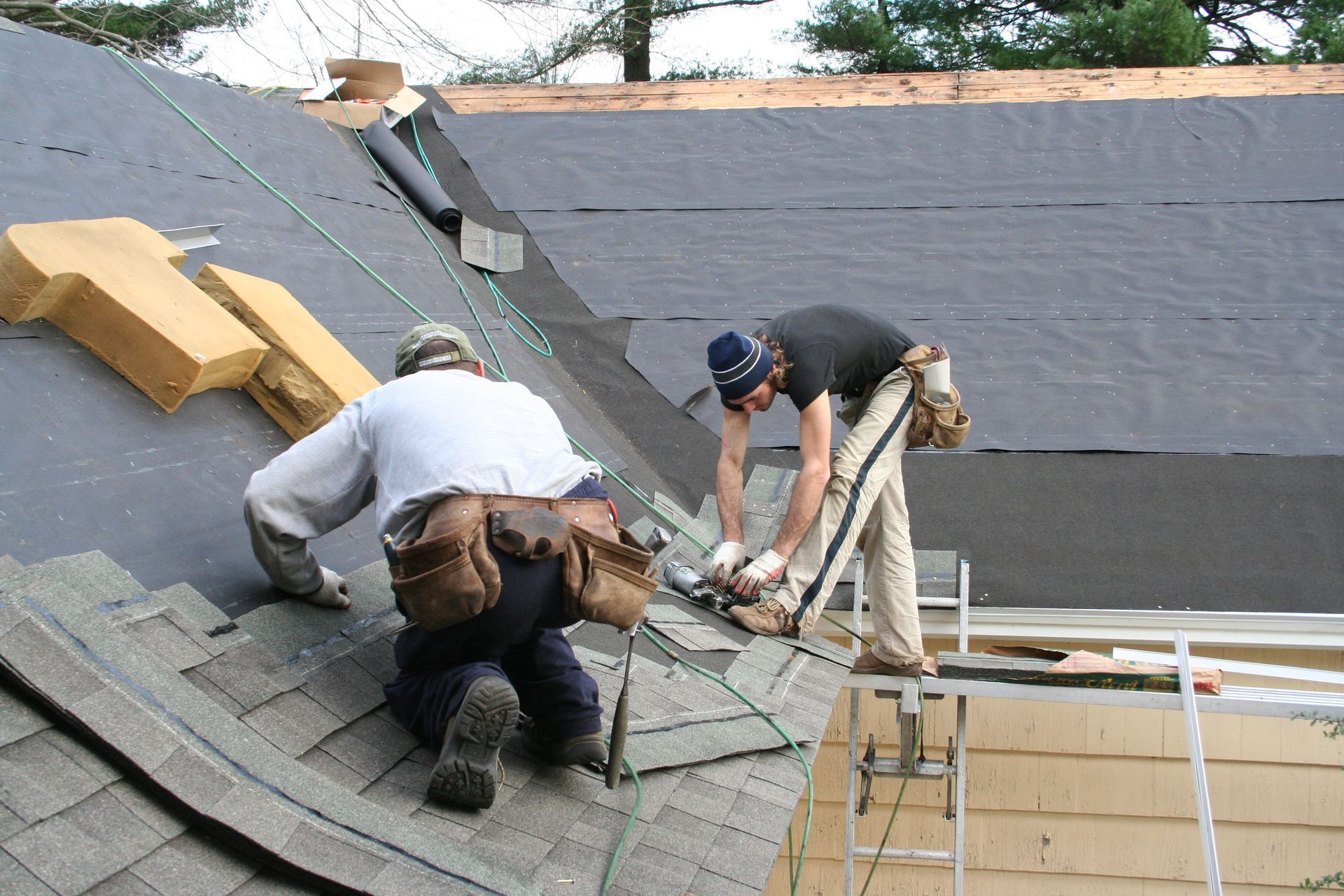
Addressing damaged shingles requires immediate attention with leaky roof repair to stop leaks. For minor damages, replacing a few shingles may suffice. However, extensive damage might necessitate re-roofing. For effective repairs, hiring a licensed roofing professional ensures the job is done correctly. A timely response can prevent further structural damage and reduce repair costs.
To maintain shingle health, regular check-ups are crucial. Homeowners should monitor for signs of wear, especially after storms. Keeping the roof clear of debris and ensuring proper attic ventilation can prolong shingle life. It's also wise to trim overhanging branches to prevent physical damage. Engaging in seasonal maintenance can proactively shield the roof from leaks.
2. Faulty Flashing
Roof flashing is an essential component that prevents water from seeping into the joints. It's placed around chimneys, skylights, and vents. Its primary function is to direct water away from sensitive areas to avoid leaks. Despite its importance, many homeowners overlook the condition of their flashing. Regular checks and maintenance can avert water intrusion problems.
Indicators of faulty flashing include water stains around chimneys or skylights. Peeling wallpaper or paint inside the house can also signal issues. Visible rust or damage to the flashing itself suggests compromised integrity. These problems not only lead to leaks but can also cause secondary damage to roof structures. Identifying these signs early ensures timely leaky roof repair.
Flashing issues often arise from installation errors. Inadequate sealing or improper overlaps can lead to water ingress. Weather conditions, like expansion and contraction from heat, can deteriorate the material. Over time, persistent exposure to moisture can result in corrosion. Proactive inspections post-installation can catch potential issues before they worsen.
Effective leaky roof repair involves resealing joints and replacing damaged sections. Sealants can be used as a temporary measure to stop minor leaks. For significant damage, replacing the flashing with more robust materials is advisable. Professional roofers can ensure restructure to maintain a watertight seal. Retrofitting with improved designs can enhance long-term durability.
3. Clogged Gutters
Proper water drainage with gutters is essential for maintaining overall roof health, as it directs rainwater safely away from the structure. By effectively channeling water, they prevent accumulation that can lead to leaks. Blocked gutters cause water to overflow, increasing the risk of damage to roof materials. Without proper drainage, water can collect and saturate the roof, leading to leaks. Understanding this function highlights the importance of regular maintenance.
Common signs of clogged gutters include water spilling over the edges. Standing water in drains or slow drainage indicates blockages. Plant growth in gutters is a clear sign of obstructions. Overflow can lead to water staining on walls or foundations, indicating improper water diversion. Regular visual inspections can quickly detect these symptoms.
Gutter blockages are primarily caused by debris accumulation. Leaves, twigs, and dirt can quickly clog gutters, especially during fall. Birds and small animals building nests can also obstruct water flow. Without protective guards, frequent cleaning is necessary to prevent such build-up. Ignoring these clogs can lead to damage and costly leaky roof repair over time.
Ensuring a smooth flow of water requires periodic cleaning. High-pressure water hoses can expel finer particles and clear blockages. Gutter vacuums are also useful tools for cleaning hard-to-reach areas. Seeking professional cleaning help periodically ensures comprehensive maintenance.
4. Poor Roof Ventilation
Proper ventilation is vital for roof longevity and performance. It regulates temperature and moisture levels within the attic space. Poor ventilation can lead to heat and moisture build-up, contributing to long-term damage. This can result in problems like mold growth and material warping. Ensuring a balanced ventilation system supports the structural integrity of the roof.
Homeowners can detect ventilation issues through noticeable temperature fluctuations indoors. Condensation on windows and mold or mildew odors in attics are warning signs. Peeling paint or warped wooden structures can also indicate ventilation problems. Regular checks for these signs help maintain a healthy roofing environment. Failure to address them can result in increased heating or cooling costs.
Blocked vents or poor design are common contributors to ventilation issues. The accumulation of dust and debris can prevent airflow and trap moisture. Adding appliances that increase heat production without updating ventilation can exacerbate problems. Over-insulation can also hinder airflow when not paired with adequate ventilation. Addressing these factors requires careful assessment and planning.
Maintaining effective ventilation involves regular checks and cleaning. Ensuring vents are free of blockages supports consistent airflow. Scheduling yearly professional inspections can identify potential issues early. Taking preventive measures like dusting and monitoring air quality enhances system performance. By maintaining good ventilation practices, homeowners can protect their roofing investment.
5. Aging Roof Materials
Every roofing material has a different lifespan, affecting how often leaky roof repair or replacement is needed. However, as roofs age, they become more susceptible to damage and leaks. According to Today's Homeowner, roofs older than 20 years often require frequent repairs, making replacement a preferable option. Understanding the lifespan of roofing materials helps in planning for future maintenance or replacement needs.
Indicators that a roof is aging include curling or buckling shingles. Moss or vegetation growth on the roof surface also suggests degradation. Noticeable sagging areas or light seen through the attic are critical red flags. Increased frequency of leaks or the need for leaky roof repair can also suggest an aging roof. Monitoring these signs can help decide on timely interventions before facing severe problems.
Environmental factors like UV exposure, temperature variations, and precipitation significantly impact roof lifespan. Poor installation or inadequate maintenance accelerates wear. Physical damage from debris or wildlife also contributes to deterioration. Aging roofs naturally suffer from reduced efficiency in protecting the home. Recognizing these factors aids in understanding why some roofs wear faster than others.
Several strategies exist for rejuvenating or replacing aging roof materials. Re-coating and resealing can add years to the roof's life if damage is minimal. However, complete replacement may be more cost-effective for extensively worn roofs. Consulting with roofing specialists provides insights into the best options available for each specific situation.
Roof leaks often stem from issues such as damaged shingles, faulty flashing, clogged gutters, poor ventilation, or aging materials. Addressing these problems early through routine inspections and timely leaky roof repair is essential to preserving the integrity of your roof. Proactive maintenance not only helps prevent costly damage but also enhances your home’s safety, comfort, and long-term value. By taking preventative steps today, homeowners can ensure their roofs continue to provide dependable protection for years to come. Reach out to All Weather Roofing Inc to learn more about our services today!